Understanding the Five Levels of Leadership
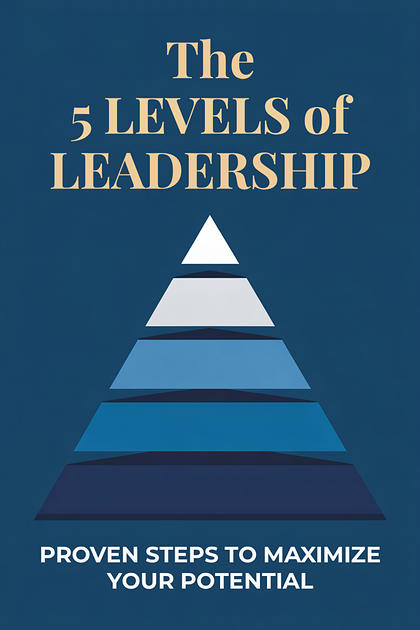
Leadership is often misunderstood as a title or a destination, but it is actually a dynamic process of influence. It is not something granted by a diploma or a promotion; rather, it is a skill that must be intentionally cultivated over time. Many people stall in their professional growth because they believe leaders are born with fixed abilities or that seniority alone confers authority. In reality, leadership is available to anyone willing to invest in the people around them. True leadership is simply the ability to obtain followers, and this ability rises and falls entirely on the strength of your personal influence.
The journey of influence begins at the Position level. This is the entry point where people follow you simply because they have to, based entirely on your job description or title. While this provides a necessary starting point, it remains the weakest form of leadership. Relying heavily on a title often leads to a boss mentality, where a manager drives workers rather than coaching them toward success. To move beyond this basic stage, a leader must shift their focus from demanding their own rights to serving the needs of others.
The second stage of leadership is Permission, which is rooted entirely in building relationships. At this level, people follow you because they genuinely want to, not because they are forced to do so. You begin to lead with empathy, making personal connections and earning the trust of your team members. It is virtually impossible to lead people effectively without truly caring for them as individuals. When you value people over strict rules, the work environment becomes more positive and overall energy levels rise.
True momentum occurs when a leader reaches the Production level. Here, influence is built through tangible results and shared success. People follow you because of what you have actually accomplished for the organization. When a leader models high productivity and helps the team win, morale skyrockets and daily problems become much easier to solve. This stage creates powerful momentum, which makes following fun and leading significantly easier for everyone involved.
The most transformative stage of influence is People Development. Great leaders are not defined by their personal power, but by their consistent ability to empower others. At this level, you invest your time and energy into helping individuals reach their maximum personal potential. This creates a multiplying effect, because as you develop new leaders, the organization’s overall capacity grows exponentially. People become fiercely loyal to you not just for what you did for the company, but for how you personally changed their lives and careers.
The final stage is the Pinnacle, a rare level based on a lifetime of proven excellence and a sterling reputation. Leaders at this stage have influence that extends far beyond their own organizations and specific industries. While this level cannot be artificially manufactured, as deep respect must be freely given by others, it serves as the ultimate goal for any professional. By consistently navigating these five levels with clear intentionality, you ensure that your leadership leaves a lasting mark on every life you touch.
Full summary available in the Readsome app