Introduction: Understanding Male Entitlement
Social dynamics often protect privileged men even when they face credible accusations of harm. During the 2018 Supreme Court confirmation hearings, Kate Manne observed how Brett Kavanaugh’s aggressive and indignant behavior contrasted sharply with the calm, helpful testimony of Dr. Christine Blasey Ford. Despite the gravity of the allegations, the public response revealed a deep-seated belief that a man of his status was owed a seat on the highest court. This sense of being owed a high-ranking position regardless of one's conduct is a core component of entitlement.
This dynamic is fueled by "himpathy," a coined term for the disproportionate sympathy and concern extended to powerful men who are accused of wrongdoing. Instead of focusing on the victim's experience, the public and political figures often worry about the potential for a man's life to be ruined by the consequences of his own actions. In this view, holding a man accountable is seen as a cruel or unfair process rather than a necessary pursuit of justice. The victim’s suffering is often minimized or treated as a secondary concern to the man's career and reputation.
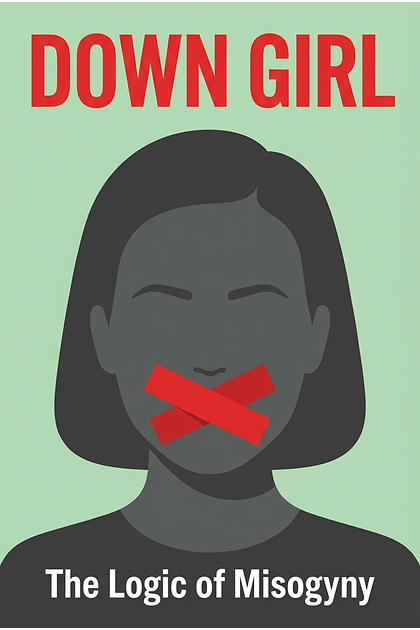
To understand why this happens, it is helpful to distinguish between sexism and misogyny. Sexism consists of the beliefs and theories that justify a world where men hold more power. Misogyny, on the other hand, acts as a system of enforcement. It is the social pressure and hostility that keeps people in their place. If sexism is the set of rules, misogyny is the punishment for breaking them. This system does not require every individual to feel hatred toward women; rather, it is a structural force that creates a hostile environment for those who challenge traditional roles.
At the heart of these interactions is an unwritten social contract regarding what people are expected to give and receive. Women are often expected to provide goods such as attention, care, and nurturing to more privileged men. Conversely, they are discouraged from seeking goods such as authority, specialized knowledge, or political power. When a woman refuses to provide what is expected or tries to claim a position of power, she often faces social or professional retaliation. This serves to remind others of the risks of stepping out of line.
These experiences are not the same for everyone. Misogyny often combines with other forms of discrimination, such as racism and transphobia, to create unique challenges for different groups. For example, Black women and trans women face specific types of hostility that reflect these overlapping systems of power. While the forces maintaining these hierarchies are strong, they are not invincible. Progress comes from recognizing these patterns and supporting the individual and collective acts of courage that challenge unfair treatment. Understanding the logic behind these biases is the first step in resisting them.
Full summary available in the Readsome app