The Devastating Impact of the 1918 Flu Pandemic
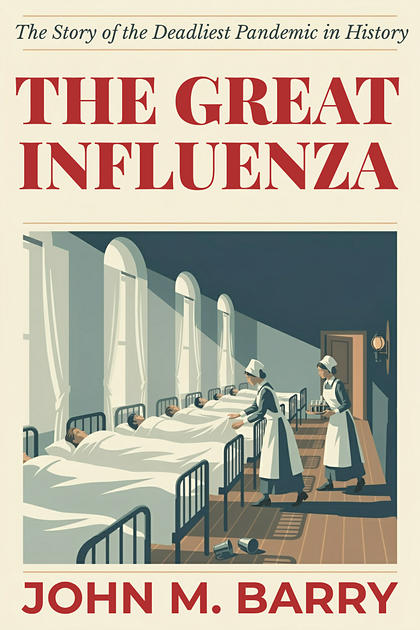
The 1918 influenza pandemic was a global catastrophe that killed more people in one year than several major wars combined, yet it was largely forgotten by history and science. Science journalist Gina Kolata realized that even her own family was affected without knowing the cause, as they blamed her husband’s grandfather's death on his job rather than the outbreak. This lack of awareness was common for decades, leaving behind a mass murderer that evaded justice for nearly eighty years. Understanding this past mystery is now essential for preventing future global health disasters.
During the height of the outbreak, the atmosphere was thick with suspicion and fear. Because the world was already embroiled in the horrors of World War I, many believed the sickness was a biological weapon. Rumors swirled that German submarines had sneaked into Boston Harbor to release germs or that pharmaceutical companies had tainted aspirin with the plague. In reality, the enemy was a virus more lethal than any weapon of war, appearing first in a mild wave in the spring of 1918 before returning as a relentless killer in the autumn.
This particular strain of flu was terrifying because it defied the usual rules of biology. While typical influenza targets the very young and the very old, this version struck down healthy adults in the prime of their lives. The progression was hauntingly rapid, as a person might start the day with a dull headache and be dead within hours. Doctors watched in horror as patients' faces turned a dark purple from lack of oxygen. Victims struggled for air and eventually died by drowning as their lungs filled with a bloody fluid.
The scale of the loss was staggering, causing the average life span in the United States to drop by twelve years in 1918. Historian Alfred W. Crosby became an expert on this period after noticing a bizarre dip in life expectancy in old almanacs, leading him to realize the epidemic had been largely suppressed in the public consciousness. The first wave had been deceptive, appearing as a highly contagious but relatively minor three-day fever in places like Spain. Because Spain was neutral in the war and did not censor its news, the world began calling it the Spanish Flu, even though it was already spreading through military camps in the United States and trenches in Europe.
By the time the second wave hit in the fall of 1918, the virus had mutated into a juggernaut that collapsed medical systems. At Camp Devens in Massachusetts, a doctor wrote a desperate letter describing how healthy soldiers would drop like flies, their faces turning so dark it was hard to distinguish their skin color. The eminent physician William Henry Welch was visibly shaken during an autopsy at the camp, realizing he was looking at a new kind of infection that behaved more like a plague than a respiratory virus. In Philadelphia, the situation was so dire that the city morgue was stacked floor-to-ceiling with bodies, and priests drove horse-drawn carts through the streets to collect the dead.
The tragedy reached the most remote corners of the earth, from the battlefields of France to the frozen tundra of Alaska. In the Alaskan village of Teller Mission, seventy-two out of eighty residents died in just five days. The ground was so frozen that miners had to use steam to thaw the earth just to dig a mass grave, burying victims deep in the permafrost. At the time, science was powerless to stop the slaughter because researchers had no way to see a virus. Electron microscopes and the understanding of genetic material did not yet exist, causing scientists to chase false leads while the real killer remained invisible.
Full summary available in the Readsome app