Introduction to the Early Life of Theodore Roosevelt
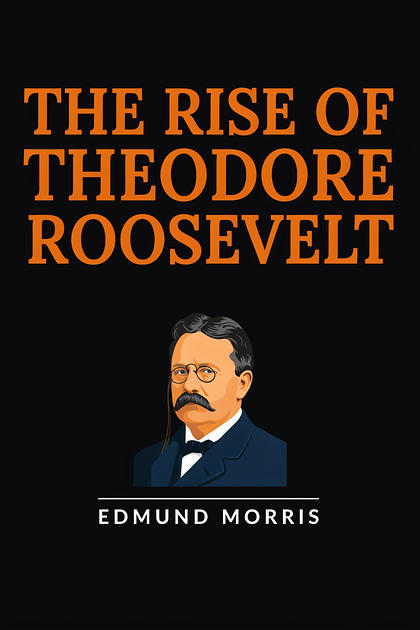
History is not a set path. People in the past did not know how their lives would end any more than we do today. David McCullough explores this reality through the early life of Theodore Roosevelt. Before he became a strong leader, Roosevelt was a sickly boy. By looking at his first twenty years, we see how his family shaped his future.
The popular image of Theodore Roosevelt is often a caricature of a high-powered, comical figure with prominent teeth and glasses. While this energetic persona is what many remember, David McCullough suggests that there is a far more complex and shrewd man beneath the surface. To understand how this energetic person was created, one must look past the public triumphs of the White House and focus instead on his formative years. Great human achievements do not simply happen, but are the result of a long process of testing, struggle, and the influence of those closest to the individual.
The true story of Roosevelt’s development is found in the private records of his family. For a long time, the Roosevelts were not a household name, and their private letters and diaries reflect a candid, unpretentious way of life in Victorian New York. These documents reveal a boy who was far from perfect. Despite his later academic success at Harvard, he struggled with basic spelling, often failing to correctly write simple words like forest or even his own brother’s name. This human side shows that the future president was shaped by a very specific social environment and a tight-knit family circle.
A central focus of Roosevelt’s youth was his intense battle with health, specifically his debilitating asthma. In the mid-1800s, little was known about the psychological or physical toll of the disease, yet it played a major role in forging his legendary persistence. By examining how his family reacted to his illness and how he learned to overcome it, we see the beginnings of the energy that would later define his career. His mother’s Southern roots and his deep adoration for his father provided the emotional foundation for this growth.
Ultimately, Roosevelt cannot be understood as an isolated individual, but rather as a member of a powerful clan. His identity was deeply rooted in the collective spirit of his parents, siblings, and extended relatives. By tracing the creative effort involved in his transformation from a frail child to a man of action, we find the point where his character was truly formed. This journey reveals that his later political roles were the natural results of a long, difficult physical and mental transformation fueled by family devotion and personal willpower.
Full summary available in the Readsome app