Introduction: How Small Changes Create Big Impacts
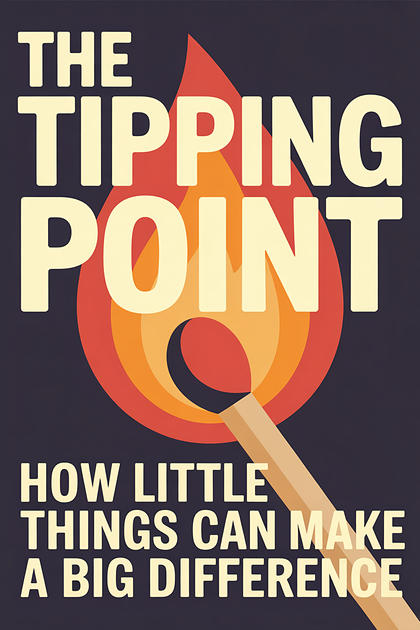
Twenty-five years ago, Malcolm Gladwell published a book exploring how small changes can trigger massive shifts in society. He proposed that fashion trends, crime rates, and the popularity of books behave exactly like viruses. These phenomena are social epidemics that spread through word of mouth and specific behaviors, often starting slowly before suddenly exploding in popularity. At the time, this perspective offered a hopeful recipe for creating positive change by focusing on minor adjustments that lead to big results.
As time passed, the world changed, and so did the way we understand these sudden shifts. While the original principles of social epidemics remain useful, new questions have emerged about how ideas and behaviors travel through our modern world. By re-examining these mysteries with fresh eyes, we can discover a new set of stories and theories that explain the strange pathways information follows today. This evolution in thinking moves beyond simple optimism to investigate the more complex and sometimes darker ways that tipping points shape our lives.
To illustrate this darker side, Gladwell describes a virtual hearing where powerful individuals were questioned about their role in a national health crisis. Despite the clear devastation caused by their company's products, the witnesses used carefully chosen language to avoid admitting fault. One witness claimed the product had simply been associated with addiction and abuse, a phrase that suggests the harm happened on its own without any direct human cause. This use of the passive voice reveals a deeper issue where those in power refuse to acknowledge how their deliberate choices can trigger widespread social epidemics.
Years ago, the focus was on how small, positive changes could tip society toward better outcomes, such as lower crime or improved literacy. However, we must now examine the darker side of these phenomena because the people who know exactly where and when to push hold immense power. This new perspective acts as a forensic investigation, looking closely at the origins, the people involved, and the consequences of social contagions. The tools used to create beneficial trends are the exact same ones that can be used to spread harm, whether intentionally or by accident.
By looking at various cases from school systems to corporate retreats, we can see how specific interventions alter the course of how ideas and behaviors spread. Understanding these mechanisms is essential because it allows us to see through manipulation and recognize our own roles in the social fevers that surround us. Ultimately, recognizing the mechanics of a tipping point helps us protect our communities from intentional and accidental harm.
Full summary available in the Readsome app