The Confidence Gap Between Men and Women
There is a distinct quality that separates those who reach their full potential from those who remain stuck at the starting line. It is a sense of assurance that allows individuals to take on the world, even when faced with significant obstacles. Susan B. Anthony demonstrated this throughout her fifty-year struggle for women’s suffrage. Despite a paralyzing fear of public speaking and constant ridicule, she forced herself to deliver her message to skeptical audiences because she knew it was necessary for her mission. Similarly, Malala Yousafzai displayed an extraordinary belief in her cause, continuing to advocate for education even after surviving an assassination attempt. These women were united by a common faith in their ability to achieve their goals, a quality known as confidence, which is often in short supply among women.
Even highly accomplished women frequently struggle with a persistent lack of self-belief. In interviews with influential leaders, from chief executive officers to lawmakers, a recurring theme of self-doubt emerges. Many successful women feel they do not truly deserve their positions or worry they will be exposed as frauds, a phenomenon widely known as imposter syndrome. This internal hesitation manifests as a fear of sounding unintelligent, an anxiety about leaving comfort zones, or a tendency to credit luck rather than skill for personal achievements. This issue is so common that it has been observed at leadership conferences, where highly qualified women often begin their presentations with apologies or disclaimers that undermine their authority.
Research suggests that confidence is just as vital to success as competence, and in many cases, it may be even more influential. While women have made significant strides in education and middle management, they remain underrepresented at the highest levels of leadership. This gap is not due to a lack of ability, as women now earn more degrees than men and control the majority of consumer spending. Instead, the barrier is often a lack of confidence that prevents women from taking risks or envisioning themselves in top roles. While men are often comfortable projecting certainty even when they might be wrong, women tend to wait until they are certain of perfection before speaking up or taking action.
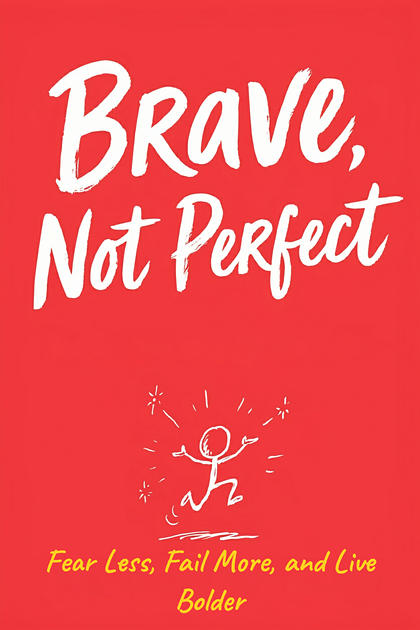
The pursuit of perfection often acts as a major deterrent to confidence. Many women believe that if they work hard and avoid mistakes, they will eventually be rewarded. However, this focus on being right can lead to hesitation and a deep fear of failure. True confidence is not about being perfect; it is about the willingness to act, risk, and fail. A fundraiser named Vanessa, for example, was told by her boss that her inability to make quick decisions was holding her back. He emphasized that making a call and sticking to it was more important than being right every time, highlighting the fundamental truth that confidence is built through action.
This shortage of self-assurance is visible even in environments where one would expect it to flourish, such as professional sports. Elite female athletes, despite their physical command and mastery of aggressive competition, often struggle with internal contradictions that their male counterparts do not. For many women, a bad performance triggers a cycle of overthinking and a desire to please others. While men tend to shrug off losses quickly, women often dwell on failure and find it difficult to restart. This tendency to be overly judgmental of oneself acts as a psychological impediment, preventing the kind of swagger that often leads to better performance.
The consequences of this gap are highly quantifiable in the professional world. Studies show that women often underestimate their own abilities, even when their actual performance is identical to that of men. In professional settings, this translates to women asking for lower salaries and participating less in meetings when they are in the minority. Individuals who project high levels of assurance through expansive body language, a calm vocal tone, and a tendency to speak early are often more admired and influential than those who are more skilled but less certain. For women who rely solely on being good at their jobs, this is a crucial lesson: confidence is not a superficial add-on, but a functional part of talent and a fundamental requirement for human fulfillment.
Full summary available in the Readsome app