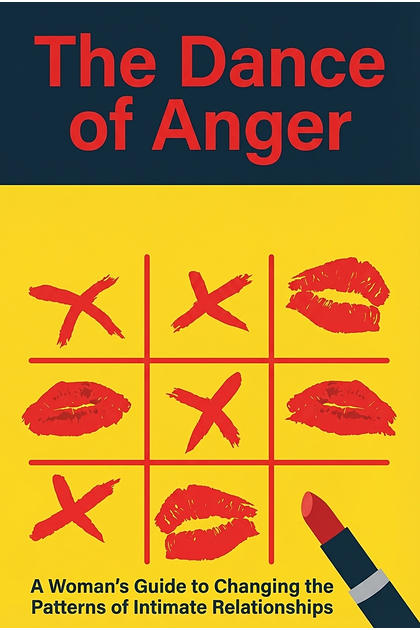
What Genuine Intimacy Really Means
Intimacy is often misunderstood as the initial rush of a new romance, but true closeness is tested only when a relationship endures over time. It is the ability to navigate the delicate balance between being a separate individual and staying connected to another person, especially when things become difficult. Harriet Lerner observes that people often confuse intimacy with intensity. While intense feelings can be powerful, they frequently cloud objective judgment and can quickly shift from extreme togetherness to deep conflict. Genuine intimacy, by contrast, allows individuals to be themselves while granting their partners the exact same freedom.
A healthy relationship requires that both people speak openly about their needs and take clear stands on important issues without silencing their own voices. It means staying connected to someone who thinks or feels differently without trying to fix or change them. Many people struggle with this balance, either sacrificing their own identity to keep the peace or distancing themselves to protect their independence. The goal is to develop a self that does not operate at the expense of others, and to maintain relationships that do not require the betrayal of the self.
Historically, the work of maintaining relationships has fallen primarily on women. Lerner notes that women have traditionally been the experts in relationship skills, often because their social and economic survival depended on their ability to understand and please others. While this attunement is a strength, it becomes a liability when women use it to seek approval at the cost of their own well-being. Men, on the other hand, are often socially rewarded for prioritizing professional success over emotional ties, leading to a dynamic where women do the emotional heavy lifting while men remain relatively unconcerned with relationship dynamics.
Meaningful change in a relationship always starts with the individual. When one person changes their patterns and defines a more solid sense of self, it shifts the entire dynamic of the relationship. This process is rarely comfortable and often involves sitting with short-term anxiety to achieve long-term growth. By focusing on personal responsibility rather than trying to change a partner, individuals can build a foundation for more gratifying and honest connections. Ultimately, we only truly know ourselves through our ties to others, and we can only improve those ties by working on ourselves.
Change is a constant struggle between the desire to grow and the need to stay the same. While people often seek help to improve their lives, they also naturally resist it because staying the same provides a sense of safety and identity. Personal growth is not about getting rid of bad parts of oneself, but about understanding how our traits work in different contexts. For example, a person’s tendency to take over a conversation might also be the source of their entertaining energy, while another person’s lack of directness could stem from their kindness and tact.
Problems in a relationship often serve a hidden purpose that keeps the current system stable. When a child acts out, it might be a way to bring distant parents together or to distract the family from a deeper, unaddressed grief. In these cases, the behavior is not the real problem but a clumsy attempt at a solution. Lasting change happens when individuals stop trying to fix others and focus entirely on their own actions. Instead of attempting a massive, stressful confrontation to force closeness, making small, manageable moves often yields better results.
Full summary available in the Readsome app