Introduction to the Linear B Mystery
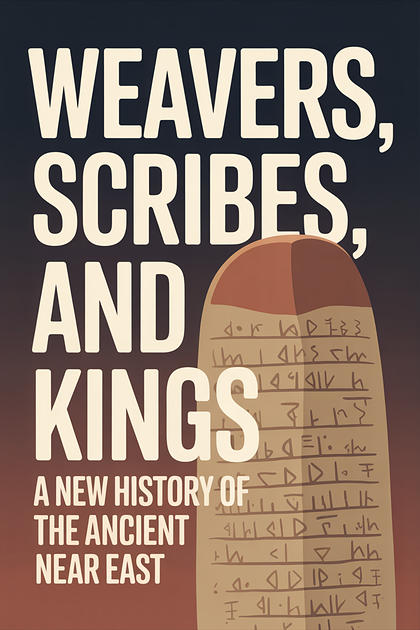
For fifty years, the symbols found on clay tablets from the Aegean Bronze Age remained one of history’s most stubborn mysteries. These inscriptions, known as Linear B, dated back to the second millennium B.C. and defied the efforts of the world’s greatest scholars. The decipherment of this ancient script required decades of intense study, meticulous data collection, and unexpected collaboration.
The story of this breakthrough is usually told as the solo triumph of Michael Ventris. Ventris was a brilliant English architect and amateur linguist who finally cracked the code in 1952. However, this popular narrative is incomplete without the massive contribution of Alice Elizabeth Kober.
Working from her home in Brooklyn during the 1930s and 1940s, Kober became the world’s leading expert on the script. She analyzed the symbols with precise mathematical rigor, working entirely by hand without the aid of computers. By the time of her early death in 1950, she had built the essential foundation that made the final discovery possible.
The quest to understand Linear B ultimately involved three key figures who each played a vital role. The archaeologist Arthur Evans unearthed the tablets, the scholar Alice Kober established the methodology, and the architect Michael Ventris delivered the final solution. By examining their combined efforts, the process of solving this ancient riddle transforms from a stroke of luck into a clear, step-by-step logical progression.
Full summary available in the Readsome app