Introduction to Bill Campbell
In 2016, a remarkable gathering took place in Atherton, California. Figures like Larry Page, Mark Zuckerberg, and Jeff Bezos stood alongside a caddie from Mexico and a New York cab driver to honor Bill Campbell. Though his name was not as famous to the public as the tech giants he advised, Campbell was the hidden architect behind the success of companies like Apple, Google, and Intuit. He transitioned from a struggling college football coach to a legendary business mentor, creating over a trillion dollars in market value by focusing on people rather than just products.
The foundation of Campbell's philosophy was laid in the steel town of Homestead, Pennsylvania. As a small but tenacious football player at Columbia University, he earned a reputation for his aggressive play and leadership. He eventually returned to his alma mater as head coach, but his tenure was marked by more losses than wins. Campbell later reflected that he lacked the dispassionate toughness required for football, as he cared too much about the players' feelings to ruthlessly replace them. While this compassion hindered him on the field, it became his greatest asset in the corporate world.
After entering business in his late thirties, Campbell moved quickly through the ranks at Kodak and then Apple. In 1984, as a marketing executive, he famously defied the Apple board of directors to run the iconic Macintosh commercial during the Super Bowl. His career continued through chief executive roles at Claris, GO Corporation, and eventually Intuit. His most significant impact began when he transitioned into a full-time coaching role, becoming a trusted confidant to Steve Jobs and advising the leadership at Google.
When Eric Schmidt first arrived as Google’s chief executive officer, he was skeptical of needing a coach. As an experienced executive with a doctorate in computer science, Schmidt wondered what a former football coach could possibly teach him. He soon realized that Campbell’s value lay not in technical strategy, but in managing the internal conflict among ambitious people. High-performance teams are naturally filled with aggressive individuals who often prioritize their own career advancement over the group’s success. Campbell possessed a unique genius for corralling these rivals into a supportive community.
Campbell’s approach was unique because he coached the entire team rather than just individuals. He attended staff meetings and walked the halls to ensure that communication remained open and disagreements were resolved. He believed that for a company to be successful, its teams must act as communities that integrate interests and put aside differences for the common good. He taught that while a manager’s traditional role involves supervising and evaluating, a great leader must also be a caring coach who fosters a climate of respect and trust.
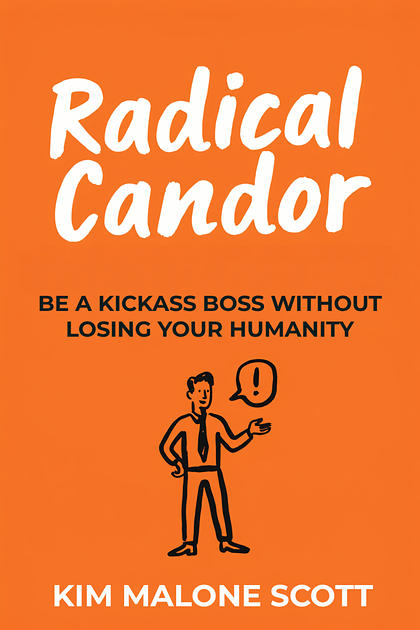
One of the most striking aspects of Campbell’s method was his use of radical candor combined with genuine affection. He frequently used profanity and physical embraces to build rapport and drive home honest points. He made it acceptable to bring personal care into the workplace, treating every person with the same level of attention and warmth. He believed that when people feel they are part of a supportive community, they are more engaged, more productive, and less prone to burnout.
The legacy of Campbell suggests that coaching is no longer a specialized skill but a core requirement for any manager. In a fast-moving, technology-driven world, the most effective leaders are those who can develop their people and build cohesive teams. By focusing on the human element and nurturing relationships, Campbell demonstrated that compassion and business success are not mutually exclusive. His life’s work proved that the best way to achieve massive scale and innovation is to ensure that the people behind the technology work together as a unified community.
Full summary available in the Readsome app