Introduction: How Society Enforces Beauty Standards
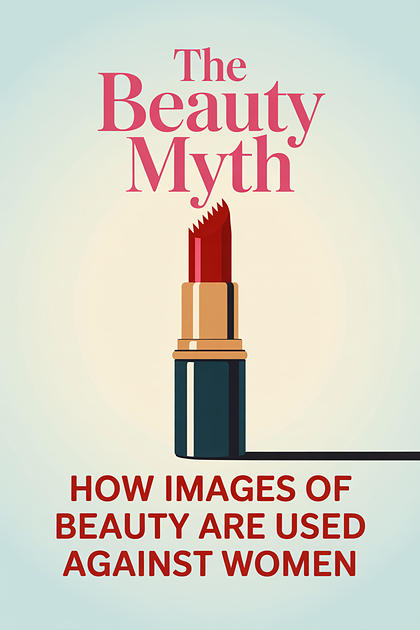
The concept of prettiness is often treated as a form of rent that women must pay to exist in the world. This expectation suggests that a woman’s value is tied to her desirability and her willingness to perform labor-intensive beauty rituals. Florence Given explains that realizing she did not owe prettiness to anyone—not partners, coworkers, or strangers—was a transformative moment. This shift in perspective reveals that the pursuit of an idealized appearance is often an invasive, expensive, and painful process rooted in the desire for male validation rather than personal fulfillment.
When a woman’s worth is defined by her appearance, she is frequently viewed as an object rather than a person. This objectification creates a one-sided dynamic where her value exists only in relation to how others consume her image. The term "male gaze" describes how the world and media view women as objects for male pleasure, and it permeates every daily ritual. Because objects are not meant to have power or agency, asserting boundaries or rejecting unwanted attention often results in hostility.
The standards of beauty used to measure a woman’s worth are not neutral; they are built on specific social hierarchies. In modern society, prettiness is typically defined by how closely a person aligns with being white, thin, able-bodied, and cisgender. Recognizing this reveals the existence of the term "pretty privilege," where those who fit these narrow standards receive better treatment and more opportunities. However, this privilege is double-edged, as it also subjects women to increased harassment and the constant vigilance required to navigate public spaces safely.
Society prioritizes a woman’s desirability above almost everything else, creating a reality where life is simply easier when women follow established beauty rules. Actions like shaving, wearing makeup, or dressing in a specific way are often less about vanity and more about navigating a world that rewards those who meet its visual expectations. Because of this, it is counterproductive to shame others for using these tools to make their lives more manageable. Choosing to conform to beauty standards is frequently a practical decision for survival rather than a lack of personal conviction.
The pressure to perform this version of femininity is not felt equally by everyone across different social groups. For many marginalized individuals, including trans women, fat women, and women of color, meeting these standards is not a choice but a necessity to be seen as valid or professional. True autonomy means recognizing that while some can afford to rebel against gender norms, others must perform them to stay safe or gain employment. Choosing to step away from these rigid expectations is a form of reclamation, but the ultimate goal should be a world where everyone can make these choices without facing negative consequences.
Full summary available in the Readsome app